AI Chat & Independent PDF Tools Guide

iLovePDF ocr

  • Turn JPG Photos Into Editable Word Files

    Turn JPG Photos Into Editable Word Files

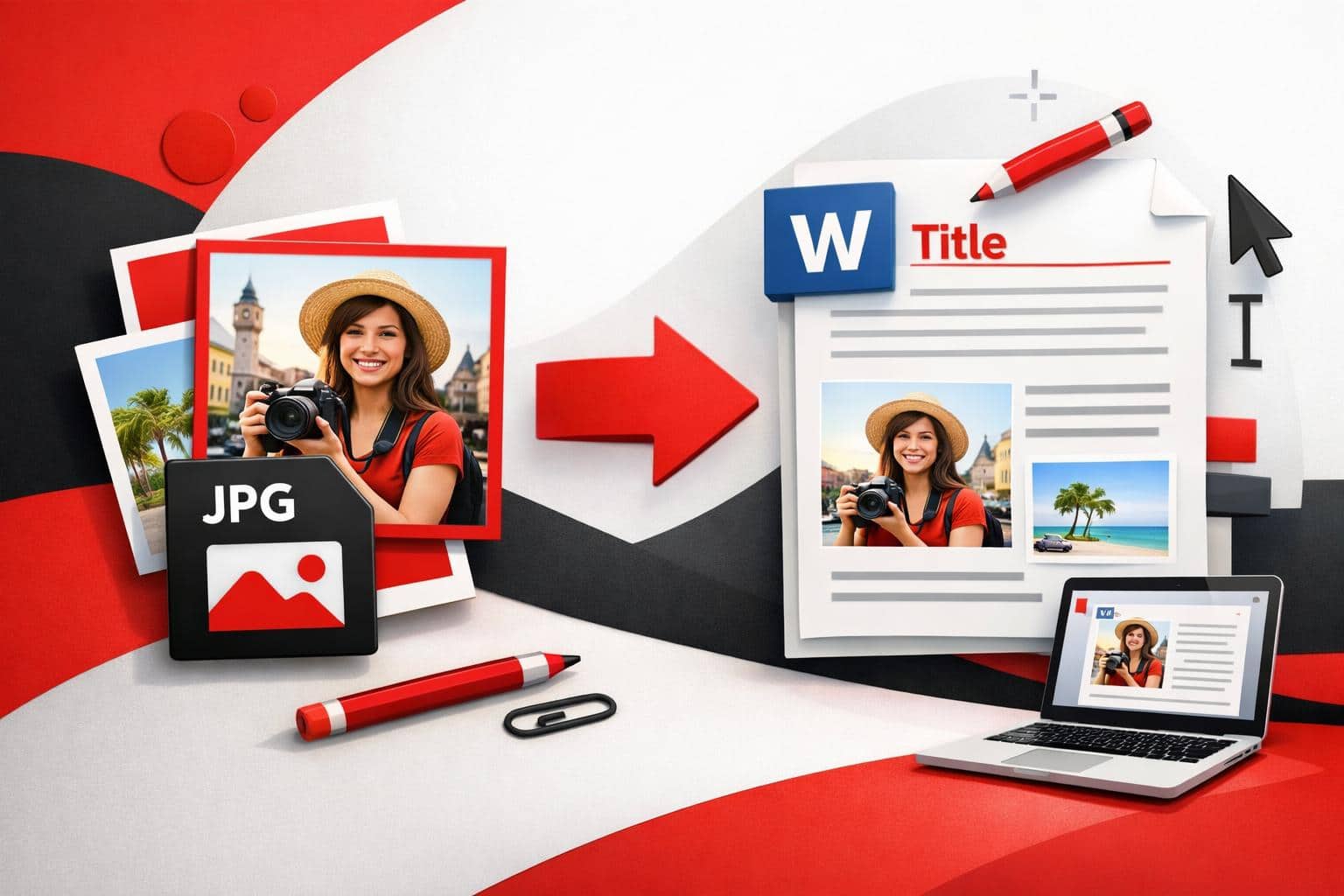
    To turn a JPG into an editable Word document with iLovePDF, the most reliable workflow is a two-step conversion: first convert the image to PDF, then convert that PDF to Word, enabling OCR when the text comes from a scan or photo. The OCR option is what transforms “pixels of text” into selectable, editable characters instead of a pasted-in picture.

    A practical JPG to Word workflow that works

    Most “JPG to Word” conversions fail for one simple reason: a JPG is an image, not a text document. The clean workaround is to wrap the image in a PDF first, then let a PDF-to-Word converter rebuild the content as real Word text.

    Step by step using iLovePDF

    • 1) Open JPG to PDF, upload one or more images, and choose page options like orientation, page size, and margins.
    • 2) Download the resulting PDF.
    • 3) Open PDF to Word, upload the PDF, then choose the OCR option if the document is scanned or the text cannot be selected.
    • 4) Convert and download the Word file, then do a quick check for spacing, headers, and tables.

    Decision rule for choosing OCR

    If the text in the PDF can be highlighted with the cursor, OCR is usually unnecessary. If the text behaves like a single image layer, OCR is the difference between an editable document and a Word file full of screenshots.

    OCR is the difference between text and a picture

    OCR, short for Optical Character Recognition, is software that identifies characters inside an image and converts them into machine-readable text. It is widely used to digitize invoices, contracts, forms, and any scanned paperwork that needs search and editing.

    For a deeper definition and where OCR is used in the real world, see Optical character recognition. For iLovePDF’s own overview, see What is OCR.

    What OCR helps preserve, and what it usually breaks

    • Usually improves readable text, copy and paste, search, and basic paragraph flow.
    • Often needs fixes columns, complex tables, mixed fonts, and line breaks from angled photos.
    • Can misread low contrast scans, stylized type, handwriting, and text on patterned backgrounds.

    On iLovePDF’s PDF to Word page, OCR is presented as a Premium option for scanned PDFs. In practice, OCR is most valuable when the source is a camera photo, a fax-like scan, or a flattened PDF exported from a scanner.

    Web, desktop, or mobile depends on the job

    The best platform is less about features and more about constraints: internet access, file sensitivity, and how many documents need processing. A quick conversion on a laptop is a different problem than cleaning up a folder of archived receipts on a plane.

    A memorable mini model for choosing the right setup

    Think in a simple three-axis tradeoff:

    • Accuracy, choose OCR and expect small manual cleanups for complex layouts.
    • Convenience, choose the web tool for speed and minimal setup.
    • Control, choose a desktop app when offline work or local processing matters.
    Option Best for Offline Typical tradeoff
    Web tools Fast one-off conversions from a browser No Requires uploading files, results depend on scan quality
    Desktop app Workflows that benefit from local processing and offline availability Yes Requires installation, device resources limit very large batches
    Mobile app Capturing paper documents on the move, quick edits and sharing Partially Small-screen editing, photos need good lighting for clean OCR

    Security and retention policies to know upfront

    Uploading documents to an online converter is a trust decision, not just a format decision. iLovePDF describes file protection practices including encryption during processing and automatic deletion of processed files within a set retention window.

    For highly sensitive documents, a safer habit is to prefer offline conversion when possible, especially for scans that include signatures, account numbers, or ID photos.

    Common conversion problems and quick fixes

    A concrete example that mirrors real work

    A phone photo of a paper invoice needs editing before it can be reused in a Word template. The fastest path is: convert the photo with JPG to PDF, then run PDF to Word with OCR, then fix two things in Word, column spacing and any misread totals like 8 and B.

    Three checks that catch most issues in under a minute

    • Selectable text, confirm the output is real text, not an embedded image.
    • Reading order, verify multi-column pages did not merge lines across columns.
    • Numbers and symbols, scan totals, dates, and currency signs, OCR errors cluster there.

    When layout fidelity matters more than editability, converting to Word may be the wrong endpoint. In those cases, keeping the file as PDF and using annotation tools can preserve formatting better than a full reflow into Word.

  • Convert PDF Tables to Excel Without Cleanup

    Convert PDF Tables to Excel Without Cleanup

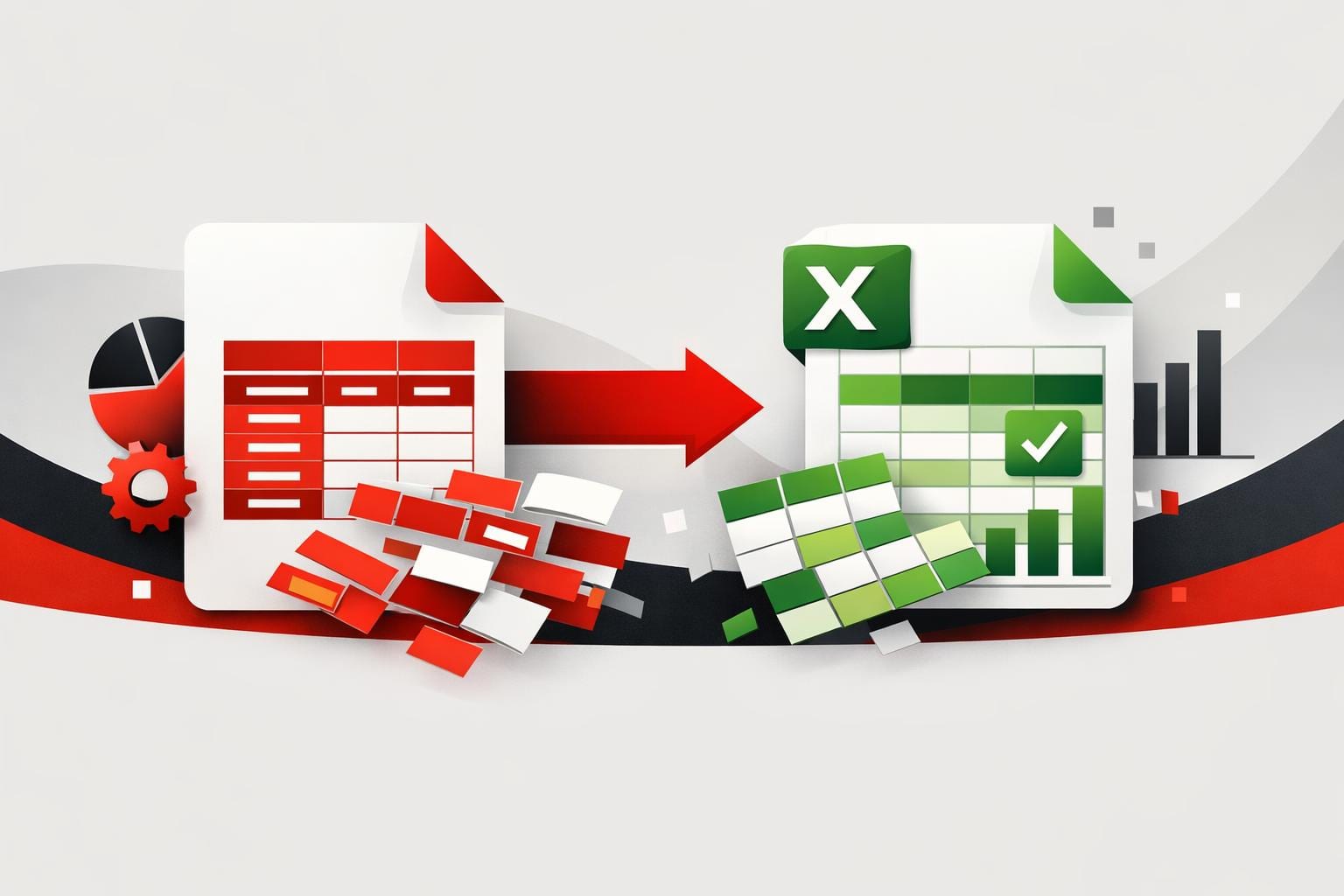
    To convert PDF tables into usable Excel data, pick a tool that preserves table structure, then enable OCR only when the PDF is a scan. With the right workflow, the output becomes editable rows and columns instead of a grid that collapses into random cells.

    Why PDF to Excel conversions often get ugly

    Excel expects explicit structure, defined cells, consistent delimiters, and predictable headers. Many PDFs contain none of that, they store text as positioned fragments on a canvas, not as a real table. A converter can easily misread spacing as columns, merge adjacent fields, or drop headers when they are visually aligned but not logically grouped.

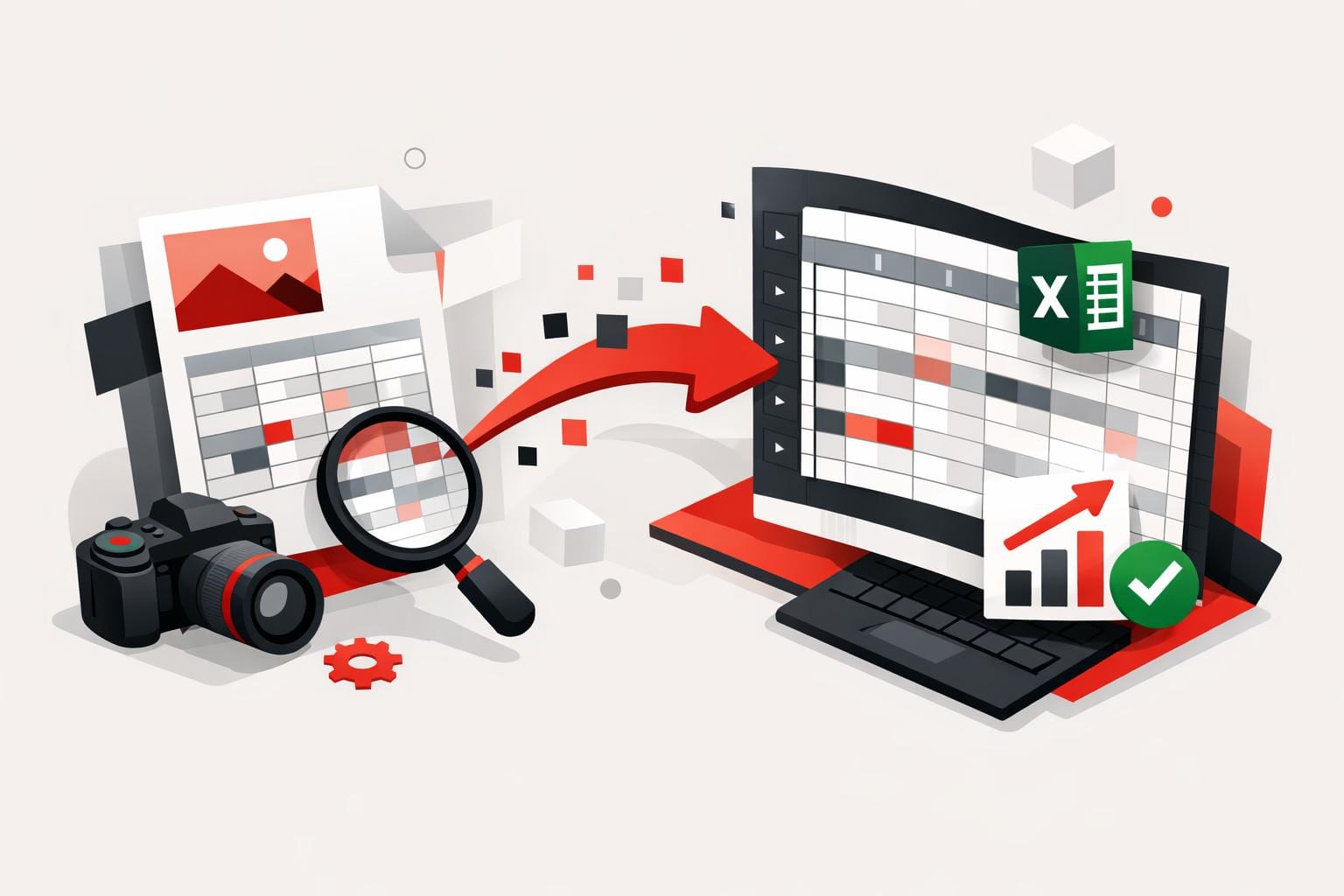
    Scanned PDFs are a harder case because they are effectively images. Without text recognition, the best any converter can do is paste a picture into a spreadsheet, which looks right but behaves wrong. Sorting, filtering, and formulas fail because there is no real data layer.

    Three signals predict whether a conversion will stay clean:

    • Quality: sharp scans, high contrast, straight pages.
    • Structure: clear grid lines, consistent column widths, predictable row spacing.
    • Text layer: selectable text indicates the PDF already contains machine readable content.
    Approach Best for Typical failure mode
    Copy and paste into Excel Very small, simple tables with consistent spacing Columns drift, multi line cells explode into extra rows
    PDF to Excel converter without OCR Digital PDFs with selectable text Headers and columns misalign when layout is complex
    PDF to Excel converter with OCR Scans, photos, printed then scanned invoices and receipts Wrong characters, split numbers, missed separators
    Manual cleanup after conversion One off documents when accuracy matters more than speed Time cost scales fast with page count

    What OCR is, and why it changes everything

    OCR, short for Optical Character Recognition, turns pixels into characters. It detects letters and numbers inside scanned pages, then rebuilds them as editable text. For table extraction, OCR has a second job, it must infer where rows and columns begin and end, which is why scan quality matters as much as the software.

    Decision rule: if text can be highlighted in the PDF viewer, OCR is usually unnecessary, and often slower. If nothing can be selected, OCR is the difference between a spreadsheet full of data and a spreadsheet that only contains an image.

    How to convert PDF tables to Excel with iLovePDF

    iLovePDF offers an online PDF to Excel converter at PDF to Excel. The page exposes two modes, standard conversion for selectable text, and an OCR option for scanned pages, which is marked as Premium. It also includes layout choices, such as producing one worksheet or splitting content across multiple sheets.

    A practical example: a finance team receives 30 scanned supplier invoices each month, each invoice has a totals table that must land in Excel for reconciliation. Running OCR during conversion produces editable amounts that can be summed and validated, instead of a pasted screenshot that cannot be checked with formulas.

    • Open iLovePDF’s PDF to Excel tool.
    • Upload the PDF containing the table.
    • If the document includes scanned pages, choose the OCR option.
    • Pick a layout option, one sheet is better for single tables, multiple sheets helps when the PDF contains repeated page level tables.
    • Convert, then download the Excel file and spot check headers, numeric columns, and row boundaries.

    For readers who want to understand the conversion engine behind the tool, the converter is described as powered by Solid Documents on the same page, and the vendor’s platform is documented at Solid Framework.

    How to get cleaner tables with less rework

    Start by improving the input. A slightly better scan can save more time than any post conversion cleanup, especially when OCR is involved. If the source is a photo, re scan it flat, increase contrast, and remove shadows near table borders.

    • Use sharp inputs: OCR accuracy drops fast when characters blur or the page is tilted.
    • Keep structure: tables with consistent grid alignment convert more reliably than irregular layouts with nested blocks.
    • Avoid screenshots: they often downsample text and remove the subtle spacing cues converters use to infer columns.
    • Verify numbers: after conversion, confirm currency symbols, decimal separators, and negative values, then run a quick sum check against the PDF totals.

    When OCR is the right move, and when it is not

    OCR is a targeted fix, not a default setting. It shines when the PDF is a scan, or when the text layer is missing or incomplete. It is less helpful when the PDF is already digital, because OCR can introduce recognition errors that never existed in the original.

    • Use OCR for printed documents that were scanned, and for receipts captured by camera.
    • Skip OCR when the PDF contains selectable text, especially for financial statements and reports exported from accounting systems.
    • If only some pages are scans, consider splitting the PDF first, then apply OCR only to the scanned subset, and merge results in Excel.

    Security and retention, what the company states

    File handling matters because table extraction often involves invoices, budgets, or customer records. The company’s legal and privacy hub states that uploads are encrypted in transit using HTTPS, and that processed files are deleted from servers within two hours, and it also references ISO/IEC 27001 certification. Those statements are summarized on Legal & Privacy and expanded under Security and data protection.

    A simple safety filter for sensitive spreadsheets is to treat online conversion like sharing a document with a vendor. If the table contains regulated personal data, consider redacting identifiers before upload, or use an on device workflow that keeps documents local. For policy details, the company links to its privacy policy from Privacy Policy.